Tuesday, July 30, 2013

REPOST: For U.S. retirees, fitness lessons from Japan

One might expect a direct correlation between competent health services and prolonged life span of the people. However, it seems some countries, like the United States, still do not experience the latter even after investing in better health care services. This Market Watch article discusses some ways the U.S. can learn from Japan when it comes to expanding the life expectancy of its citizens. 

She wore a dark hat even though the sun had gone down, as she swung alone on a swing-set in Tokyo. Unsupervised children aren’t an uncommon sight on Japanese playgrounds, but it was dinnertime. And the hat looked more middle-aged gardener than little girl. Curiosity piqued, I approached the petite swinger. She turned out to be a septuagenarian.

I saw older exercisers everywhere on a recent trip to Japan: Stretching on jungle gyms, walking briskly in pairs, gathering in groups to do calisthenics broadcast over the radio. All this movement no doubt contributes to Japan’s vaunted longevity. The Pacific nation not only leads the developed world in absolute longevity, with a life expectancy of 82.6 for men and women combined, but it is also first in what researchers call healthy life expectancy. That is the number of years that a person can expect to live in good health, and for Japan it is 73.0, versus 68.1 for the U.S., according to a study released last week in the Journal of the American Medical Association. (Our healthy life expectancy ranked 26th out of 34 advanced-economy countries in the study.)

The study, a collaboration of researchers at multiple institutions, found that while the U.S. made “substantial progress” in improving health from 1990 to 2010, we lag many other high-income countries on life expectancy and other measures despite spending more on health care than they do—both as a society, and out of our own pockets. When it comes to preventing disease and disability, many experts say physical activity trumps all other healthy behaviors. “Exercise for aging is truly the fountain of youth,” said Paula Papanek, program director of the exercise science degree program at Marquette University in Milwaukee.

The benefits of exercise, of course, can also have significant financial repercussions, especially for people 50 and over. It is a simple fact that unhealthy people spend more on medical care than their more robust counterparts. In just one example, Medicare is likely to spend about $38,000 more over the lifetime of an obese 70-year-old than it would spend on a beneficiary of similar age and normal weight, according to research led by Dana Goldman of the Schaeffer Center for Health Policy and Economics at the University of Southern California. And that is just Uncle Sam’s share: it follows that an obese person would incur more out-of-pocket costs than her thinner peers, as well.

Regular exercise won’t likely prolong your life dramatically, but it can improve the quality of your remaining years, said Dr. Edward Schneider, professor of gerontology and medicine at the University of Southern California. Ideally, exercise begun no later than middle age can help people avoid developing conditions like diabetes and heart disease. But physical exertion can also help people manage many chronic conditions after they develop. It can reduce chronic knee and back pain. Regular physical activity also improves sleep and helps prevent falls. And it isn’t just the body that benefits: Research suggests exercise can also ease depression and, in older adults, boost brain function.

In fact, regular exercise can mean the difference between independent living and costly institutionalization for older people, experts say. Schneider saw evidence of this in his own family. At age 89, his very active grandmother was a nursing home volunteer; by the time she reached the same age, his more sedentary mother was a nursing-home resident. The median national rate for a private room in a nursing home is $83,950 annually, according to the 2013 Genworth Cost of Care Survey (although cost, of course, isn’t the only reason most people would prefer to age in their own homes).

Even the frailest older people can benefit from moving to the extent they’re able, said Michael R. Mantell, senior fitness consultant for behavioral sciences for the American Council on Exercise. His wife Paula, a certified personal trainer, has among her clients a couple in their 80s. The wife is wheelchair-bound and has Alzheimer’s disease, but she delights in playing catch and other games with Paula, and she’s improving her strength, balance and coordination by doing so, Mantell said.

Exercise benefits everyone, including the svelte. Being thin doesn’t give you a free pass to couch surf. People who are healthy but sedentary lose 10% to 15% of their aerobic capacity and muscle strength per decade starting around age 35, said Dr. Michael Joyner, an exercise researcher at the Mayo Clinic in Rochester, Minn. People who maintain a healthy weight and exercise 150 minutes per week can delay the start of the loss by five to 10 years and reduce the rate of loss, he said. This advantage can translate into stronger bones and fewer falls down the line.

No serious sweat required
When we talk about exercise, we don’t necessarily mean sweating it out at the gym. Brisk walking outside—or in a mall, if the weather’s bad—works just fine. The key, Schneider said, is to keep it fun and interesting. Record your favorite show and watch it on the treadmill, or buy a dance DVD and boogie down in your living room. Find a buddy to attend exercise classes with you.

You don’t need to break a serious sweat, either. Experts recommend “moderate” exercise, and on a scale of 1 to 10, with 1 sitting on the couch and watching TV, and 10 running so hard you can’t talk, moderate exercise would be a 5 or a 6, Mantell said—the equivalent of walking when you’re in a hurry. Older exercisers should combine aerobic exercise around five times a week with strength training at least two times a week and regular balance training, experts recommend. While balance training can take the form of tai chi or yoga, it could also simply mean standing on one foot while waiting in line at the store (as long as there is ready support nearby).

It is wise to consult your doctor before beginning any exercise program. While almost everyone can benefit from movement, physical activity can be dangerous for someone with undiagnosed heart disease, for example. Prospective exercisers can find a questionnaire online (http://www.recgov.org/fitness/PAR-Q.pdf) called PAR-Q, short for “physical activity readiness questionnaire,” that can flag potential concerns to bring to a doctor. If heart disease is diagnosed, a patient might be assigned to supervised exercise until he’s ready to exercise on his own, Papanek said. Diseases aside, many older Americans wind up in the emergency room with exercise-related injuries after taking on too much, too soon, Schneider said. Those starting out would benefit from a session with a personal trainer, he noted.

If this all sounds daunting, consider this: The biggest benefits of exercise accrue not to the regular runner who doubles her distance from five to 10 miles, but to the sedentary person who decides to get off the couch. Said Joyner, “You get a lot of the benefit with the first bit of effort.” Even just the effort it takes to put in a few minutes on a swing set. 

Norman K. Poppen, MD , is a bone doctor who provides expert recommendations to patients regarding the kinds of exercise they can do to strengthen their bodies. More information is available at this website.

Monday, April 29, 2013

Fitness trends: What CrossFit can do for back strength

CrossFit is a fitness company which offers a program of the same name that is practiced in over 4,400 gyms worldwide. CrossFit’s strength and conditioning programs combine constantly varied functional movements in a timed and scored workout. A “functional movement” is defined as a motion or position which is naturally occurring– performed almost instinctively as part of everyday life and activity. CrossFit exercises focus on the body’s core muscles but are never the same each day. By varying the workout daily, CrossFit programs aim to improve a person’s ability to adapt to fast-changing environments. This also trains all muscles in the body, instead of “spot training” specific muscles as body-building programs do.


Image Source: youtube.com

Each Workout of the Day (or WOD, in CrossFit jargon) improves a total of 10 fitness skills: cardiovascular endurance, respiratory function, strength, flexibility, agility, power, speed, coordination, balance, and accuracy. In addition to being essential for playing all sports, these skills are also applicable to daily movement. Workout intensity level depends entirely on the person performing the exercise, which is why CrossFit WODs can be performed by individuals of any age, weight, athletic ability, and fitness level.

Image Source: crossfit.com

Because CrossFit workouts focus on strengthening the core, they are advisable for people with weak back muscles. WODs can also prevent back injury, as CrossFit teaches practitioners how to maintain the correct poses when lifting heavy objects or picking things up from the floor. Some back-strengthening exercises include using a kettlebell, a tool that orthopedic surgeons like Norman K. Poppen, M.D., recommend for strength training.

Image Source: telegraph.co.uk

This website lists more physician-suggested exercises and stretches for improving back strength.

Monday, March 25, 2013

How ill-fitting shoes can harm the body


Image Source: ripleys.com 


Making up almost 25 percent of the body’s bone structure, the feet are the foundation that lets people stand, walk, and run. In addition to holding the weight of the entire body, the feet hold a connection to total body wellness so they need the right cushion to function well.


In this fast-paced and proactive culture, wearing comfortable footwear is by far one of the best things to do to take care of the feet. However, many can’t resist the allure of pointed stilettos, elevator shoes, or a trendy 5-inch platform, that they tend to sacrifice comfort for the sake of style.


Image Source: ehow.com 


The habit of wearing the wrong shoes has repercussions, and some of them take time to develop. Wearing uncomfortable shoes can cause any of the bones in the feet to misalign, disrupting the transfer of signals from the foot to the central nervous system, and vice versa. This factor may explain how foot problems can cause other problems like fatigue and physiological changes.


 Another reason is that shoes tend to upset the body’s center of balance, leading to spine problems, migraines, joint degeneration, and knee osteoarthritis. Strutting in heels also puts the person at risk of developing shorter calf muscles, thicker Achilles tendons, foot deformities, ankle sprains, bunions, and fractures.


Image Source: indiacurrentaffairs.org 


But wearing flat shoes isn’t the solution. Flat shoes without arch support aren’t enough to absorb the pressure of the feet hitting the ground. This pressure gradually results to pain that climbs up from the arch of the foot up to the hip.


The best way to break the bad footwear routine is to wear such kinds of shoes in moderation. There are limits to what the feet can take, and giving them a rest from 5-inch heels can go a long way.  


Orthopedic surgeons like Norman K. Poppen, MD, advise people to choose footwear that provides the needed support and comfort. Learn more about bone health on this blog.

Thursday, January 24, 2013

Buckle and stress: The different types of fracture


Image Source: besthealthbenefits.info


Most people assume that a bone “fracture” is an injury less severe than a bone “break.” In fact, bone “breaks” and “fractures” are one and the same. The term “break” or “broken” is simply not an orthopedically accepted for describing damage to bones. Bone fractures are not limited to people with active lifestyles– even celebrities break their bones.


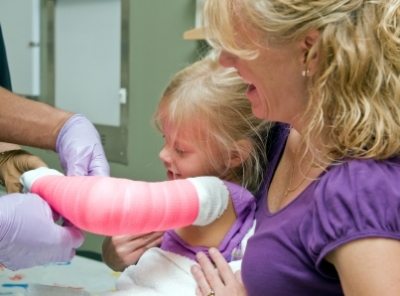
A bone can be fractured in several ways. Determining what kind of fracture has occurred helps set the bone for recovery. In diagnosing a fractured bone, doctors first check if the fracture is simple or compound. A simple fracture, also known as a closed fracture, is a bone fracture where the skin remains intact. Although simple fractures cause severe pain, they are sometimes mistaken for other types of injury because the broken bone remains concealed. When the broken bone penetrates the skin, it is a compound or open fracture. Open fractures put a patient at a higher risk of infection.


Image Source: ceessentials.net


Whether simple or compound, fractures are further classified into types. These are the most common:


• A greenstick fracture is an incomplete fracture. The bone is bent rather than broken off. This is most common among children as their bones are strong yet flexible. An adult would likely have more brittle bones which would snap instead of bend.


• A transverse fracture is a fracture that puts a bone at a right angle to its axis.


• A comminuted fracture is when the fractured bone fragments into several pieces. An open comminuted fracture is slightly more dangerous than other types of breaks as scattered fragments take longer to heal and, as such, are exposed to the risk of infection for a longer time.


Image Source: physicsworld.com


Bone fractures should not be taken lightly. Leaving a fractured bone untreated can result in myriad complications, including infection and paralysis.


Recommendations for exercises and stretches to strengthen bones come from expert like Norman K. Poppen, M.D.  Visit this website for such details.

Friday, December 21, 2012

Avoiding arm casts this winter

Image Credit: geniusbeauty.com


Many cases of injury originate from attempts to have fun. In winter, many people seek to take full advantage of the holidays and the snow, and engage in activities that sometimes leave them with several broken bones. If wearing an arm cast is not your idea of celebrating the Yuletide season, try these tips.


Warm up

Cold temperatures can leave the muscles in a state that is more prone to injury. It is best to take a few warm-up exercises especially if you are engaging in strenuous activities. For instance, you can take a few warm-up runs before skiing in new terrains.


Image Credit: runnersvoice.org


Know the terrain

Keep track of rocks, roots, fences, ridges, and others. Knowing where obstacles are can help you avoid them and the possibility of being injured because of them. Moreover, navigating through snowy ground poses certain difficulties; it is best for you to stay in marked trails. Ice is slippery, so staying in areas such as steep slopes and inclines is the beginning of injury.


Be properly equipped

Make sure to wear the proper equipment or attire. When walking in snowy or icy ground, use shoes with lots of tread as these offer more grip and minimizes the risk of slips. Wear several layers of loose garments. This can protect you from the cold and offers you the convenience of removing or adding layers depending on the need.


Image Credit: ahikingblog.com

You gain nothing from being overly complacent in winter—except scratches and broken bones. Doctors can treat fractures, but no one can return the winter holidays you lost because of broken limbs.

Norman K. Poppen, MD, is a recognized expert in the surgical treatment of musculoskeletal problems. Visit this Facebook page to learn more about him.

Thursday, November 22, 2012

Obama's Thanksgiving message

"Fight the overwhelming urge to take a nap...at least until AFTER dinner," and other pieces of Thanksgiving advice from President Obama. 


Monday, November 12, 2012

Soft but tough: Norman K. Poppen, MD, and the body's cartilage

The cartilage is not as tough as the bone, but it is no softie either. Orthopedist Norman K. Poppen, MD, is familiar with the cartilage and how it allows the entire skeletal system to perform some of its most important functions.

Norman K. Poppen. Image credit: altunderground.com

The cartilage is a connective tissue found in many areas in the human body, particularly in joints, in the rib cage, the ears, nose, ankle, knees, bronchial tubes, and in the intervertebral discs. It is quite common among other animals, particularly in cartilaginous fishes like sharks, rays, and sawfishes. It is naturally flexible, but is stiffer than muscles, and is not as rigid as bones.

Norman K. Poppen. Image credit: diabeteshypertension.com

The primary function of the cartilage is to provide support to various organs of the body without being as hard as bones. Experts like Norman K. Poppen, MD, note that the relative softness of the cartilage makes it an excellent cushion for bone joints. This means that the tissue plays a vital role in the smooth movement of the human body.

Norman K. Poppen. Image credit: health.rush.edu

Among connective tissues, the cartilage is the slowest to grow and be repaired. Needless to say, damage or complications can lead to serious problems. The gradual thinning of the cartilage can cause joint pains when moving, and is the underlying cause of arthritis. In the case of chondrodystrophies, the cartilage in the joints is ossified and is transformed into bone, causing symptoms roughly similar to those in arthritis.

Every component of a bodily system performs a specific function vital to the whole. The same is true for the cartilage. It may not be as tough as bones, but without it, the skeletal system would never be the same.

More information about Norman K. Poppen, MD, is available in this Facebook page.

Yoga and stretching can help relieve bad backs

Here's an interesting article from Time Health & Family about how yoga can help relieve back pain. This article echoes the message of a previous Norman K. Poppen, MD, blog post that discussed asanas for back pains.


Chanting “om” might help ease your aching back, but only if it comes at the end of yoga practice. A new study finds that the physical act of doing yoga — but not its meditative aspect — may help reduce symptoms of chronic back pain.

Based on smaller previous studies, researchers thought it was some combination of yoga’s stretching and mental elements — deep breathing and relaxation — that improved back sufferers’ function. But the current study found that yoga worked no better than intensive stretching alone, suggesting that it’s the physical exercise, not the mindfulness component, that matters.

Whether doing yoga or stretching, however, it takes effort: participants in the study attended weekly 75-minute yoga or stretching classes for 12 weeks, and did additional 20-minute at-home practices with the help of instructional CDs or DVDs at least three days a week.

The trial, published on Monday in the Archives of Internal Medicine, is the largest to date on yoga and chronic back pain, a condition that affects millions of adults and often doesn’t have an easy solution. People spend billions of dollars a year seeking relief from pills, doctors, physical therapists and chiropractors. Although there’s no shortage of available treatments for low back pain, including exercise, it’s not entirely clear how they stack up against one another in terms of effectiveness.

For the new study, researchers recruited 228 adults in the Seattle area, all of whom had moderate chronic back pain but were fairly active despite their conditions. The participants were randomly assigned to do either yoga or intensive stretching or, as the control group, to use “self care.”

The yoga group did viniyoga, a style of hatha yoga that focuses on postures that stretch and strengthen back and leg muscles, and include breathing exercises and guided deep relaxation. The intensive stretching class was similarly devoted to exercises that stretch and strengthen trunk and leg muscles, except without the guided breathing and relaxation. And finally, the self-care group was given a book to read, The Back Pain Helpbook, which offers advice on exercise and lifestyle changes for back pain.

Over time, all study participants saw improvements in function, but those doing yoga and stretching did significantly better than the self-care group. By the end of their three-month classes, more than half of those in each exercise group reported at least 50% improvement in measures of day-to-day disability, compared with less than a quarter of the controls.

At each follow-up interview — conducted at 6, 12 and 26 weeks after the start of the interventions — yoga and stretch class participants were also significantly more likely to rate their back pain as better, much better or completely gone, compared with the self-care group. “More participants in the yoga and stretching groups were very satisfied with their overall care for back pain,” the authors wrote.

Yoga and stretching also helped people get off their pain medications. After 12 weeks, twice as many people in the yoga and stretching classes (40%) reported decreasing their medication use, compared with the self-care group (20%). That benefit lasted for another 3½ months after the classes ended.

Neither yoga nor stretching was more effective than the other, however. “We expected back pain to ease more with yoga than with stretching, so our findings surprised us,” said Karen Sherman, lead author of the study and a senior investigator at the Group Health Research Institute in Seattle, in a statement.

The findings may be attributed in part to the fact that the exercise classes ended up being so similar to each other. The stretching classes were more intensive than most such classes, with participants holding each stretch for a relatively long time. “People may have actually begun to relax more in the stretching classes than they would in a typical exercise class,” Sherman said. “In retrospect, we realized that these stretching classes were a bit more like yoga than a more typical exercise program would be.”

In an accompanying commentary, Dr. Timothy Carey of the University of North Carolina said doctors should feel comfortable prescribing either yoga or stretching for patients with back pain. “Are the results from this trial actionable for practice?” he wrote. “Yes.”

But Sherman cautioned that not any yoga or stretching class will do. The classes in the study were designed specifically for people with back problems and with no previous yoga or stretching experience. “It’s important for the classes to be therapeutically oriented, geared for beginners and taught by instructors who can modify postures for participants’ individual physical limitations,” she said.


Sora Song is the editor of TIME Healthland. Find her on Twitter at @sora_song. You can also continue the discussion on TIME Healthland’s Facebook page and on Twitter at @TIMEHealthland.

Thursday, October 11, 2012

Norman K. Poppen, MD: First aid for broken bones


Norman K. Poppen MD Image Credit: lifeinthefastlane.com


Orthopedic surgeons, such as Norman K. Poppen, M.D., always emphasize that bone fracture is a serious matter that requires immediate medical attention. In cases when you are with someone suffering from a broken bone caused by a major trauma or injury, Mayo Clinic suggests taking the following steps:

  • Call 911.

  • If the victim is not perspiring or if he has no heartbeat, begin performing cardiopulmonary resuscitation (CPR).

  • Apply pressure on the wound using a sterile bandage or a clean cloth to stop the bleeding.

  • Do not realign or push the bone that’s sticking out back in. If you are trained in how to splint, apply a splint to the area above and below the affected sites.

  • Norman K. Poppen, M.D., and other orthopedic experts highly recommend applying ice packs to the fracture to reduce swelling and relieve pain. Keep doing this until the emergency personnel arrive. Be sure to wrap the ice in a towel or some other material and don’t apply it directly to the skin. A little water in the ice pack will help it conform to the shape of the injury.

  • Have the victim lay down flat on his back and elevate his feet if he feels faint or is breathing in short, rapid breaths.

Norman K. Poppen MD Image Credit: dolsonpainrelief.blogspot.com


The most important thing to remember when attending to a victim of broken bones is helping them remain calm and keeping the affected area still to prevent further tissue damage. By learning these first aid basics, you can help save a life.

Norman K. Poppen MD Image Credit: todaysparent.com


Norman K. Poppen, M.D., is affiliated with Sutter General Hospital and HealthSouth Alhambra Surgery Center. Follow this Twitter page for more.

Tuesday, September 18, 2012

Funny Bone: Norman K. Poppen, M.D., explains that Humerus sensation


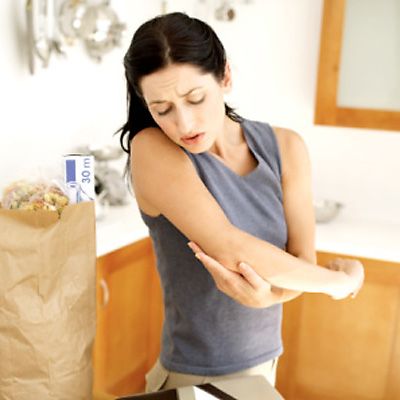
You’ve felt it before: the inexplicable tingling sensation that accompanies the dull pain from accidentally bumping an elbow. Orthopedic surgeon Norman K. Poppen, M.D., explains to surprised patients that this phenomenon, known commonly as hitting the “funny bone,” actually isn’t caused by any bone at all.

Norman K Poppen MD - Funny bone - Image Source: http://images.agoramedia.com/everydayhealth/gcms/colorful-pain-syndromes-09-pg-full.jpg
Norman K. Poppen MD  Image Credit: agoramedia.com

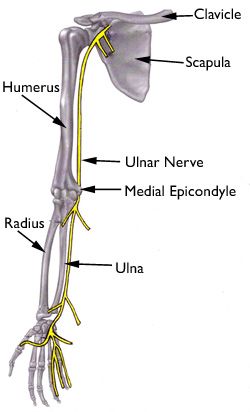
There is a nerve known as the “ulnar nerve” which runs alongside the ulna bone— one of the two slim bones that connect the elbow to the wrist. Studies of the human anatomy have found that the ulnar nerve is the longest nerve in the entire human body that is naturally unprotected by either muscle or bone. As such, the body tends to feel impact or injury on this nerve more often and more intensely than on any other.

Norman K Poppen MD - Ulnar nerve - Image Source - http://orthoinfo.aaos.org/figures/A00069F01.jpg
Norman K. Poppen MD  Image Credit: orthoinfo.aaos.org

To help curious patients understand further, Norman K. Poppen, M.D., demonstrates that the ulnar nerve is directly connected from the elbow to the pinky, or little finger, and even connects to the ring finger. This explains why, although only the elbow has been struck, the tickling sensation we feel seems to run up our arms and all the way to our fingertips.

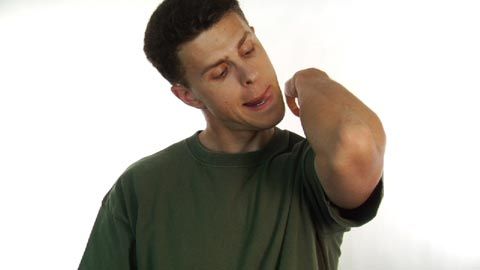
The “funny bone” reference is a pun based on the homophonic resemblance of the word “humorous” to the upper arm bone called the Humerus. It is the impact to the elbow joint connected to the Humerus bone that creates the prickly sensation most people would describe as unpleasant. Knowing this, perhaps the occurrence should be renamed, and be referred to bumping one’s “not-so-funny bone” instead.

Norman K Poppen BD - Elbow - Image Source: http://a.images.blip.tv/TitanArts-NotFunnyBone404.jpg
Norman K. Poppen MD  Image Credit: a.images.blip.tv

Read more about Norman K. Poppen, M.D., on this website.
Tuesday, August 28, 2012

Norman K. Poppen, M.D., on avoiding gymnastics injuries

The outstanding performance of the US gymnastics team in the 2012 Olympics is, undoubtedly, inspiring for many young gymnasts all over the country today. Orthopedic surgeons such as Norman K. Poppen, M.D., support the dreams of these young athletes by sharing advice whenever they can on how to continue engaging in the sport while avoiding unnecessary injuries.

Norman K. Poppen Image Credit: gymnastic.com

Gymnastics is a difficult sport and to be proficient at it, the athlete needs to dedicate many long hours to practice. The athlete’s body needs to get accustomed to performing the complex physical movements involved because all the weight-bearing routines and the various gymnastic moves place great strain on the body and put the gymnasts at risk for injury.

Norman K. Poppen Image Credit: lifeinthefastlane.com

Common injuries for this sport include tears of the tendons, elbow dislocations, wrist sprains in the upper body, and fractures, sprains, and strains that frequently occur in the lower body. Norman K. Poppen, M.D., advises young athletes and their guardians to create and follow strategies to prevent injuries. These strategies may range from vigilant spotting to ensuring that all pieces of equipment are properly maintained.

Norman K. Poppen Image Credit: healthyliving.azcentral.com

The athletes are thus advised to ensure that their bodies are always in optimum shape. To do this, they only need to stick to a balanced fitness program which includes aerobic exercise, strength training, and flexibility. Apart from these, stretching before and after sessions and keeping oneself well-hydrated are also highly recommended.

Using proper equipment is also important. For instance, securing proper gymnastics shoes which are geared toward a specific event is necessary to avoid injury and to ensure maximum performance.

More orthopedic advice from Norman K. Poppen, M.D., can be found on this Facebook page.

Tuesday, July 17, 2012

Norman K. Poppen, MD: Bone health and calcium's role in overall health

Norman K. Poppen, MD, is an orthopedic surgeon. He specializes in treating bone defects caused by genetics, poor nutrition, and physical injury. Although he is highly qualified in treating such conditions and can perform even the most complicated procedures to restore broken or damaged bones back to their top form, he believes that prevention is still better than cure.

Norman K. Poppen MD Image Credit: ladything.com


Dr. Poppen is a strong advocate of bone health and always stresses the importance of calcium intake in maintaining healthy bones. Calcium is important for transmitting nerve impulses. Actions such as heartbeats and muscle contraction also require calcium. It is also essential for functions such as hormone and enzyme secretion. The body removes calcium from the bones, and when excessive amounts of calcium are extracted, bones become dense.


Norman K. Poppen MD Image Credit: dailyperricone.com


Experts such as
Norman K. Poppen, MD, recommend getting sufficient amounts of calcium, along with doing weight-bearing exercise to build strong bones, thus reducing the risk of developing osteoporosis. The body does not produce calcium, which is why it is important that the food one eats is rich in calcium. Dark, green leafy vegetables, nuts, and dairy products (cheese, milk, and yogurt), are excellent sources of calcium. Vitamin D supplements should also be taken, because it is necessary for the body to be able to absorb and use calcium.


Norman K. Poppen MD Image Credit: flashfree.files.wordpress.com


Find more tips on bone health on this Norman K. Poppen, MD, Facebook page.

Monday, April 23, 2012

Norman K. Poppen, MD: The importance of calcium and its role in preventing osteoporosis

Norman K. Poppen MD Photo Credit: orthodoc.aaos.org

Norman K. Poppen, MD, is a leading orthopedic surgeon with years of experience dealing with various orthopedic issues. He is a Fellow of the American Academy of Orthopedic Surgeons, the New York Hospital of the Columbia Presbyterian Medical Center, the Visiting Scholar Surgery of the Shoulder and Elbow, and the Presbyterian Hospital. He is also a member of the American Society of Shoulder and Elbow Surgeons, American Society for Surgery of the Hand, and the Orthopedic Research Society.

Norman K. Poppen MD Photo Credit: flourishover50.com

Calcium and osteoporosis 
Dr. Poppen highlights the importance of calcium in order to maintain bone health. Calcium is a naturally occurring mineral that is shed from the body in skin, nails, hair, sweat, urine, and feces. When a person suffers from an inadequate calcium supply, Norman K. Poppen, MD, says that the body breaks down bone to obtain the mineral, leading to osteoporosis.

Norman K. Poppen MD Photo Credit: ladything.com

Osteoporosis refers to the thinning of the bones, more common among women than among men. Decreasing hormone levels, too little calcium in the diet early in life, and lack of exercise are the main causes of osteoporosis. In order to prevent osteoporosis later in life, women are advised to consume adequate amounts of calcium. Calcium-rich food include yogurt, milk and dairy products, almonds, broccoli, tofu, kidney beans, tapioca pudding, and kale, among many others.

Norman K. Poppen, MD, believes that osteoporosis can definitely be prevented with proper diet and exercise. More information about his medical expertise can be found on this Facebook page.